20 Fun Facts About Door Handle Parts
Understanding Door Handle Parts: A Comprehensive Guide
Door handles are important elements of every home and workplace, serving not just as practical devices however also improving the aesthetic appeal of doors. However, numerous people are unaware of the numerous parts that make up a door handle and how each element adds to its overall function and style. This short article intends to supply an extensive overview of door handle parts, look into their performances, and address some regularly asked concerns.
Main Components of Door Handles
A normal door handle consists of several essential parts, each playing a particular function in the performance of the handle. Here we break down the main parts:
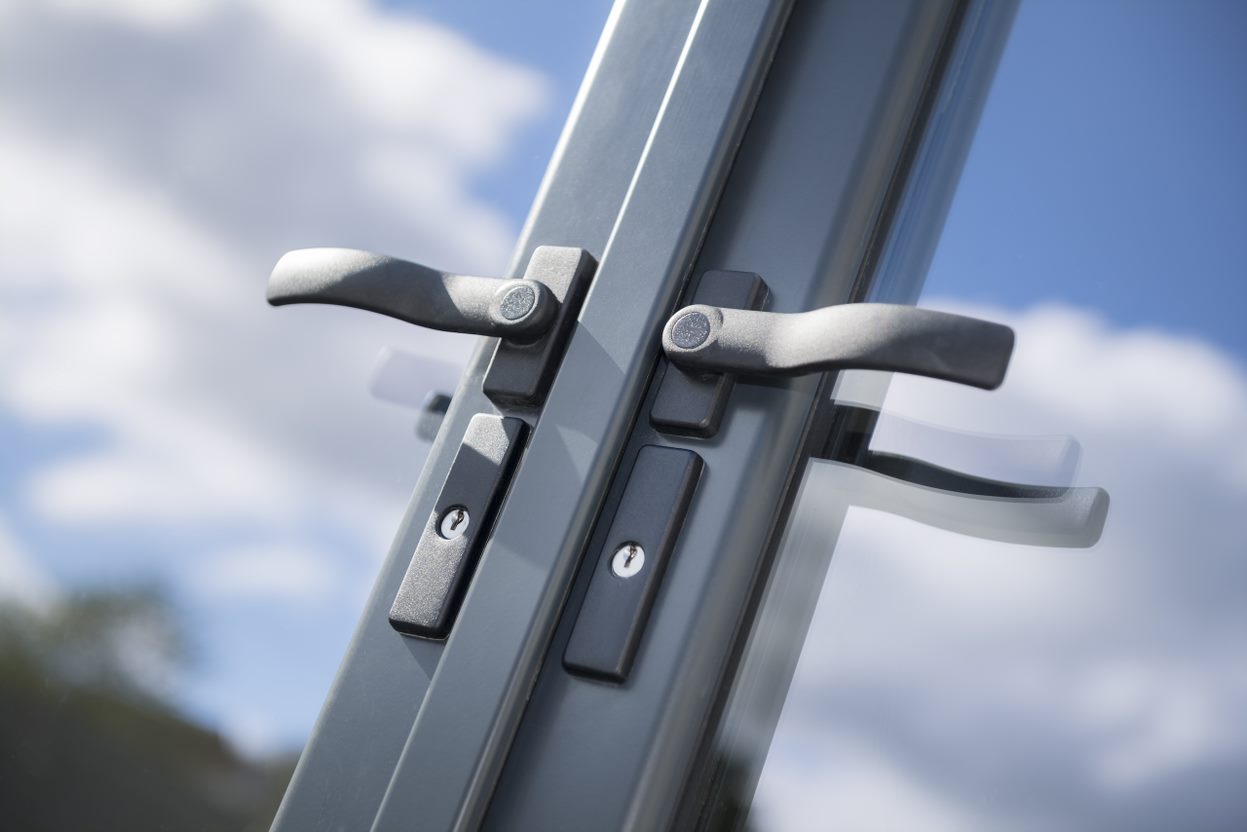
Handle or Lever:
- The part that you grip to run the door. Handles can be available in numerous styles, consisting of levers or knobs, with styles ranging from minimalist to ornate.
Rosette or Escutcheon:
- This circular or ornamental plate surrounds the handle and covers the hole in the door where the hardware is set up. It not just improves visual appeals however can likewise conceal any imperfections from installation.
Spindle:
- A metal rod that links the 2 halves of the handle or lever through the door. It permits the handle to turn and engage the latch mechanism.
Latch or Bolt:
- The mechanism that keeps the door closed when it remains in a closed position. When the handle is turned, the latch withdraws permitting the door to open.
Strike Plate:
- A metal plate installed on the door frame that gets the latch or bolt when the door is closed. It reinforces the area and helps keep the door secure.
Key Cylinder (for locked handles):
- The mechanism that allows the door to be locked and opened with a key. Repair My Windows And Doors is frequently found in key-operated handles.
Spring Mechanism:
- Typically found in latch systems, this enables the latch to go back to the 'locked' position once the handle is launched.
Installing Screws:
- These are utilized to secure the handle and the rosette/escutcheon to the door, ensuring that the parts are firmly fitted and properly aligned.
Kinds Of Door Handles and Their Parts
Door handles can be found in a variety of styles and may include unique parts depending upon their design and designated usage. Below are the most common types of door handles in addition to their distinctive functions.
1. Lever Handles
- Typically much easier to run than knobs, making them ideal for individuals with restricted hand strength.
- May include a personal privacy lock mechanism for bathrooms and bedrooms.
2. Knob Handles
- Most common style, readily available in many styles and surfaces.
- Typically round; can have a lock mechanism incorporated.
3. Pull Handles
- Frequently utilized on sliding doors or bigger doors.
- Generally doesn't have a locking mechanism, focusing mainly on performance.
4. Smart Door Handles
- Modern handles that integrate technology, permitting access through biometric scanning or mobile applications.
- May have extra electronic parts that demand battery or Wi-Fi installation.
5. Outdoor Handles
- Created particularly to endure weather, often more robust than indoor alternatives.
- Usually geared up with sturdy locks for enhanced security.
The Importance of Choosing the Right Door Handle Parts
Selecting the ideal door handle parts is necessary for both functionality and security. Here are some aspects to think about:
- Durability: Ensure that the materials utilized in the handle and its parts can endure day-to-day wear and tear.
- Performance: Different handles serve various functions. For circumstances, lever handles might be better for accessibility.
- Design: Select a style that complements the décor of your office or home.
- Security Features: Consider the level of security you require, particularly for exterior doors.
Frequently Asked Questions About Door Handle Parts
1. What products are commonly utilized for door handles?
Door handles can be made from a variety of products consisting of stainless steel, brass, aluminum, plastic, and ceramic. Stainless steel is popular for its strength and resistance to deterioration.
2. How do I know which size handle to choose for my door?
When choosing a door handle, measure the thickness of your door and guarantee that the handle set corresponds to this size. In addition, inspect the backset (the distance from the edge of the door to the center of the handle).
3. Can I replace simply the handle or do I require to change the entire assembly?
In a lot of cases, it is possible to change just the handle or lever without needing to replace the entire assembly. However, compatibility should be checked to avoid mismatched parts.
4. What is the distinction in between a privacy lock and a passage lock?
A personal privacy lock limits gain access to and is normally used for restrooms and bedrooms. A passage lock, on the other hand, does not have a locking mechanism and is normally utilized for corridors or closet doors.
5. How do I maintain my door handles?
Routine maintenance consists of cleaning the handles with moderate soap and water and checking the screws and latch mechanisms for any signs of wear or rust. Lubricating the latch periodically will also guarantee smooth operation.
Comprehending the parts of door handles and their functionalities can significantly improve one's ability to pick the right type for particular requirements while making sure visual appeal and security. With different options readily available, it is important for property owners and builders alike to consider not just the appearances but also the useful elements of door handle design. By taking these aspects into account, individuals can guarantee that they select door handles that improve their areas while serving their intended functions efficiently.